
Article: Chinsei Product User Manual
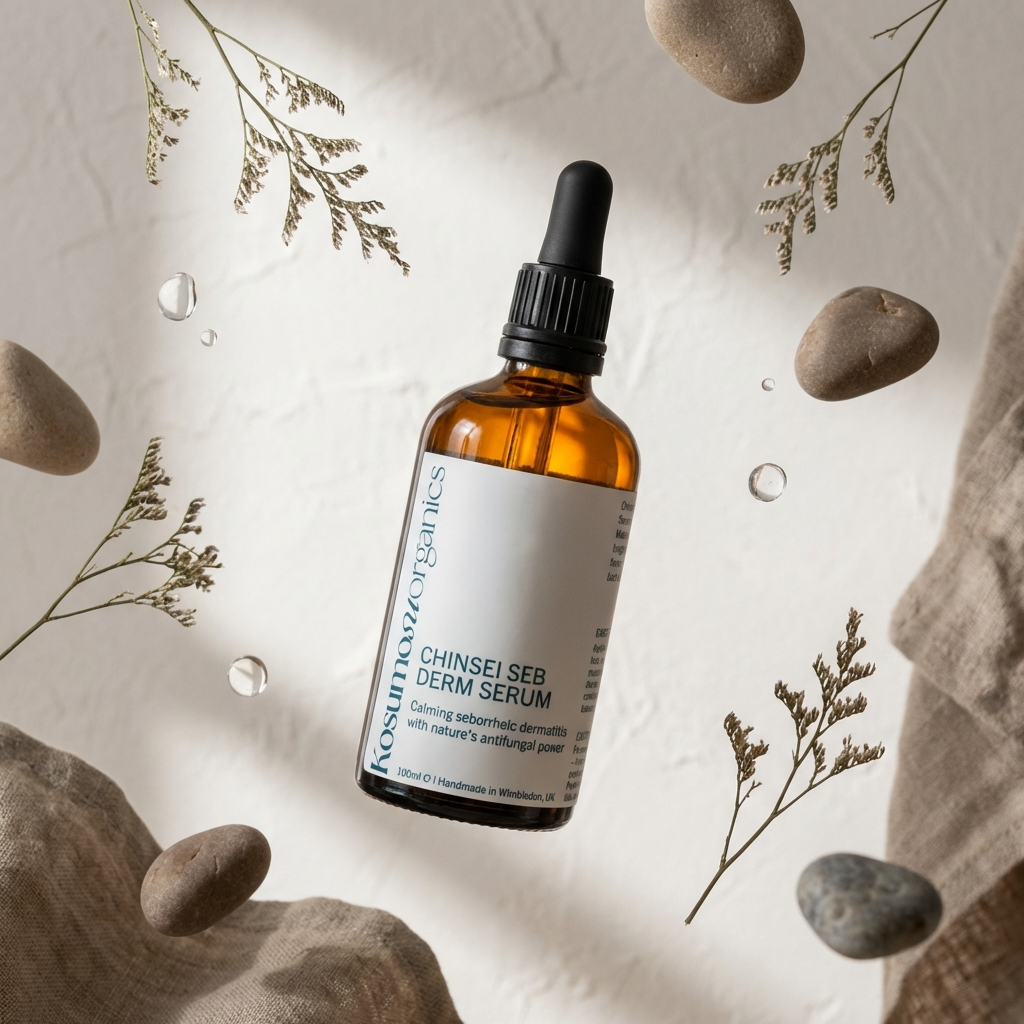
Chinsei Product User Manual
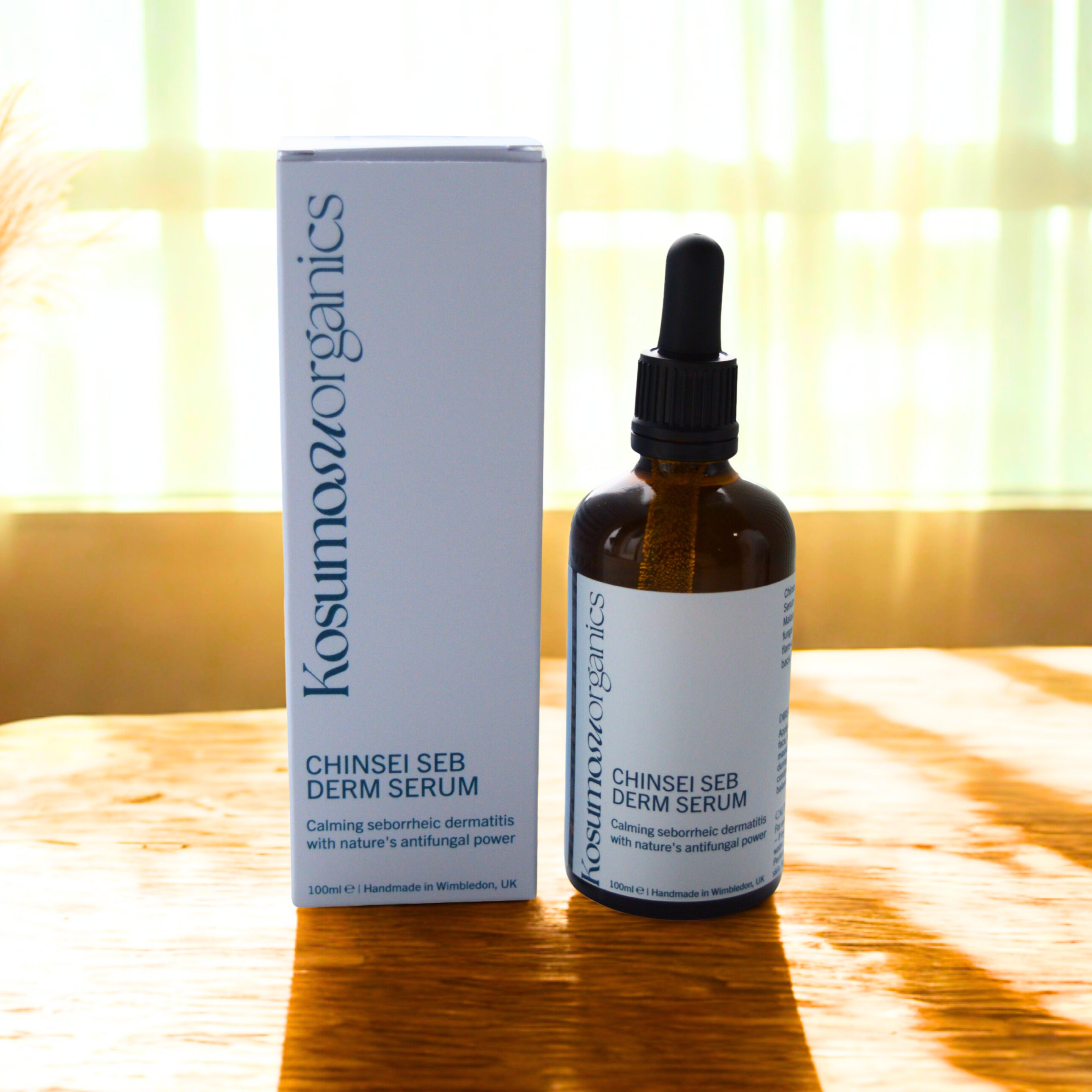
Congratulations on choosing a science-backed approach to your skin health. Chinsei (meaning ‘calming’) is a targeted defence system designed to starve Malassezia yeast while repairing your skin’s natural barrier.
How to Apply
For best results, incorporate the serum into your daily routine (morning and night).
- Step 1: Wash your face or scalp with a fungal-safe, gentle cleanser. Pat dry.
- Step 2: Apply 2–4 drops onto your fingertips. A little goes a long way; one 100ml bottle is designed to last 2 to 3 months of daily use.
- Step 3: Gently massage the serum into prone areas – typically the "T-zone" (nose and forehead), eyebrows, hairline, or beard area.
- Step 4: Allow the serum to sink in for 1–2 minutes before applying any sunscreen or fungal-safe makeup.
The Science: How and Why it Works
Most skincare products accidentally "feed" the flare-up. To understand why Chinsei is different, we first have to understand the Carbon Chain.
The Starve & Repair Mechanism
- Starving the Yeast (Pure C8 MCT): Malassezia yeast thrives on long-chain fatty acids (C12 to C24) found in most oils. We use Pure C8 MCT oil because its carbon chain is too short for the yeast to metabolise. It provides the lipids your skin needs while effectively cutting off the yeast's food supply.
- Safe Hydration (Squalane C30): We use Squalane because its 30-carbon backbone is too large and complex for the yeast to break down. This allows for deep, non-greasy hydration that remains "invisible" to the yeast.
- Antifungal Defence (Tea Tree): Organic Tea Tree oil provides a final layer of protection, helping to balance the skin’s microbiome and reduce the redness associated with inflammation.
3. What to Expect
While everyone’s skin is unique and results will vary based on the severity of your condition, the "Starve & Repair" process begins from the very first application.
- Day 1: From the first use, the serum begins to soothe the skin. Most users notice an immediate reduction in the "tightness" and itching associated with active flare-ups.
- Days 3–7: Within the first few days, the redness typically starts to recede. Because the Malassezia yeast is no longer being "fed" by your skincare, the inflammatory cycle begins to slow down.
- The 2-Week Mark: By the second week, the skin barrier is often significantly stronger. As the yeast population stabilises, stubborn flaking and scales usually begin to clear, revealing the healthy skin beneath.
- Long-Term Maintenance: Seborrheic dermatitis is a chronic condition, not a one-time fix. Continued daily use maintains a "Malassezia-free environment," preventing the yeast from rebounding and stopping future flare-ups before they start.
4. Audit Your Routine
The most common reason for a rebound flare-up is the accidental use of other products that contain "yeast food." To get the most out of your Chinsei Serum, we recommend auditing your current skincare, haircare, and makeup for these common triggers.
The Yeast Food Checklist:
- Avoid most natural seed oils: This includes Olive, Coconut, Argan, and Rosehip oils. These contain the exact long-chain fatty acids that Malassezia thrives on.
- Identify hidden esters: Look for ingredients ending in "-ate" such as Isopropyl Palmitate or Decyl Oleate. These are often used as thickeners but act as fuel for the yeast.
- Check your emulsifiers: Avoid Polysorbates (20, 40, 60, or 80), as these are notorious for triggering Seb Derm flare-ups.
By eliminating these triggers and maintaining a "Malassezia-free environment" with Chinsei, you finally give your skin the peace it needs to stay clear, calm, and healthy for the long term.
%20is%20a%20targeted%20defence%20system%20designed%20to%20starve%20Malassezia%20yeast%20while%20repairing%20your%20skin%E2%80%99s%20n...)